Chichen Itza (Mexico)

The March equinox is commemorated annually at Chichen Itza in Mexico’s Yucatan peninsula with a large festival. This particular day, the sun glides across the famous Kukulkan Pyramid, creating the appearance of a snake slithering across the stones.
This effect, according to archaeologists, was intended to imitate the Mayan feathered serpent god Quetzalcoatl, whose return to earth signaled the start of the planting and harvest seasons (in March and September, respectively).
Stonehenge (United Kingdom)

Stonehenge, arguably the most well-known standing stone site in the world, attracts large crowds during the June and December solstices. These visitors include both individuals who come to the location specifically to view the sunrise or sunset in relation to a particular alignment of the stones and Druids and Pagans who come together to celebrate in a spiritual community.
At this ancient location, people also congregate during the equinoxes. If you’ll be in England on this day in 2023, there are a number of tour companies offering excursions for that year. Normally, there is an unofficial event where a group will congregate.
Cahokia Woodhenge (Illinois, United States)

The amazing earth mounds certain Native American civilizations left behind during the millennia that they inhabited the land before European invaders arrived are unknown to even the majority of Americans. One of the biggest and most intricate archaeological sites north of those in Mexico and the southern United States is Cahokia, which is located 15 minutes outside St. Louis, Missouri.
Visitors can also explore the Cahokia Woodhenge among the mounds. The inhabitants who lived in Cahokia are thought to have utilized this circular group of timber circles as a solar calendar to measure the passage of the seasons (much like Stonehenge).
The 2023 dawn viewing event will occur on the morning of March 19 after being postponed for a few years owing to the epidemic.
Mnajdra Temples (Malta)

A less well-known location to observe the March equinox is the Mnajdra Temple complex on Malta’s southern shore. The Mnajdra temples, however, were constructed in a particular alignment with respect to the equinoxes and solstices, just like the other places.
On the equinox, at daybreak, light streams straight into the South Temple’s central corridor. The gathering that gathers is typically made up of archaeologists, curious tourists, and druids who are fascinated by the distinctive astrological alignment that makes the event noteworthy.
Chunfen (East Asia)


The Chinese astrological calendar’s Chunfen day designates the moment the Sun crosses the celestial longitude of 0°. (the equator). Chunfen is the spring equinox, often known as the vernal equinox in the west. With roots dating back millennia to when emperors celebrated on Chunfen, it is still observed today.
Chinese people observe seasonal customs and games, send greetings to friends and family, and pray as part of their celebrations. Children often paint eggs and try to stand them on edge as a fun activity. (It’s funny how painted eggs sound so much like Easter!
Other Holidays & Celebrations on/around the March Equinox

The March equinox has astronomical significance in addition to ceremonial festivities and cultural events that mark the equinox and the start of spring.
Navigium Isidis (Ancient Egypt/Rome)
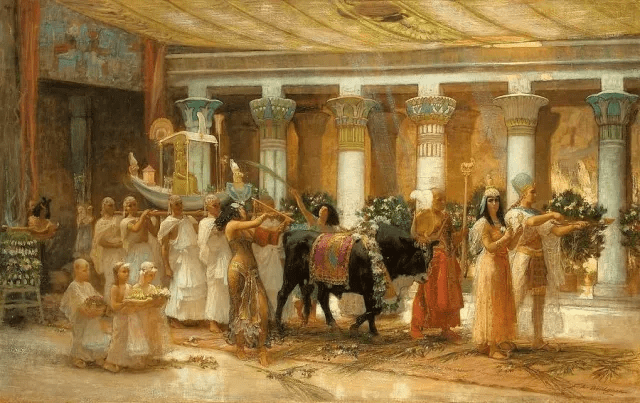
Although it probably began in Ancient Egypt under a different name, the Festival of Isis, also known as Navigum Isidis, is best known as a Roman holiday honoring the goddess Isis. The beginning of the fishing season in the spring in ancient Rome was marked by celebrations that included prayers for the safety of seafarers. Some people believe that these costumes and floats are the ancestors of the Carnival festival we know today. It was an elaborate procession of Isiac priests and worshippers carrying a model ship from the local temple to the sea.
Hilaria (Ancient Rome)
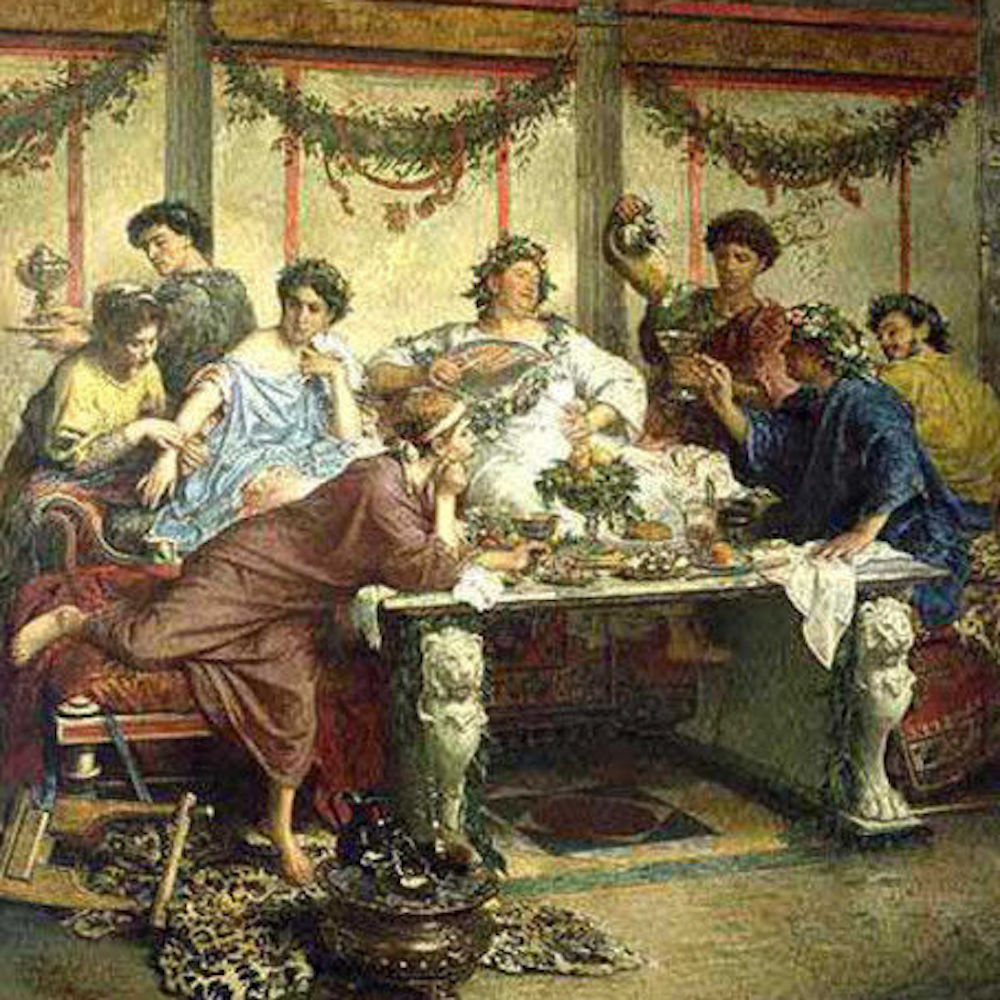
Hilaria was a day-long celebration of spring that was celebrated during the Ancient Romans’ Festival of Cybele. Given its name, it seems logical that it was referred to as a festival of laughing and joy. Although Hilaria, which was observed on March 25, is regarded to be the inspiration for modern April Fool’s Day, it was clearly a cheerful occasion to mark the end of winter and the arrival of warmer weather.
Vernal Equinox Day (Japan)
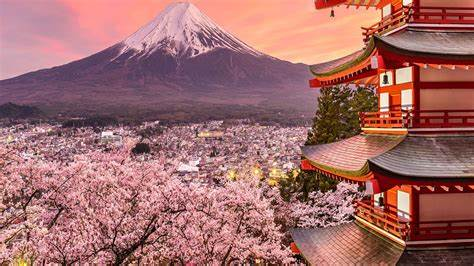
Vernal Equinox Day, which has Shintoist roots, was made a national holiday in Japan in 1948. In the past, people would clean their homes, start new hobbies, make significant life choices, and pay their respects at the graves of loved ones. The majority of people spend today at home with their families.
Whuppity Scoorie (Lanark, Scotland)
Only in the Scottish town of Lanark does the odd local celebration known as Whuppity Scoorie take place on March 1. Although their beginnings are uncertain, some say that they can be traced back to the arrival of spring and either a celebration of longer days or a means of warding off cold or evil spirits.
At the neighborhood St. Nicholas church, families congregate to celebrate Whuppity Scoorie. The kids had to run around the church three times when the bell rings at six o’clock, creating noise and waving paper balls on strings above their heads. Community Council members throw coins for the kids to gather as they complete their last lap. For the remainder of the week, the contemporary version of the festival features art workshops all over the city.
Nowruz (Iran)

Nowruz is a holiday that is observed by people all around the world. It is also known as the Persian New Year or the Iranian New Year. The Iranian calendar’s first month officially begins on that day. Nowruz, which literally translates to “new day,” is a season of renewal and hope. In order to celebrate, people clean their homes, fix or remove broken items, paint and renovate their homes, and cook traditional foods to be shared with family and friends.
Maslenitsa (Russia)

One last occasion, called Maslenitsa, heralds the change of the seasons but is not precisely timed with the March equinox. It is an Eastern Slavic religious and cultural celebration that is timed in accordance with Great Lent in the Eastern Orthodox faith. As a result, its dates fluctuate every year, and in 2023, when it is observed from February 20 to 26, it will be fairly far from the vernal equinox.
Maslenitsa, which is comparable to Mardi Gras and Fat Tuesday in the United States, is the final opportunity to engage in social activities that are improper throughout Lent because Lent forbids parties, secular music, dancing, and other distractions from spiritual life. Maslenitsa is also known as “Butter Week,” “Crepe Week,” or “Cheesefare Week” since it is generally observed with an effigy, sleigh rides, festivities, and the consumption of bliny, thin pancakes or crepes cooked with butter, eggs, and milk.
 🌜Moon Child🌛
Leave a comment